Street Art in India: Colors, Culture, and Creativity
Introduction
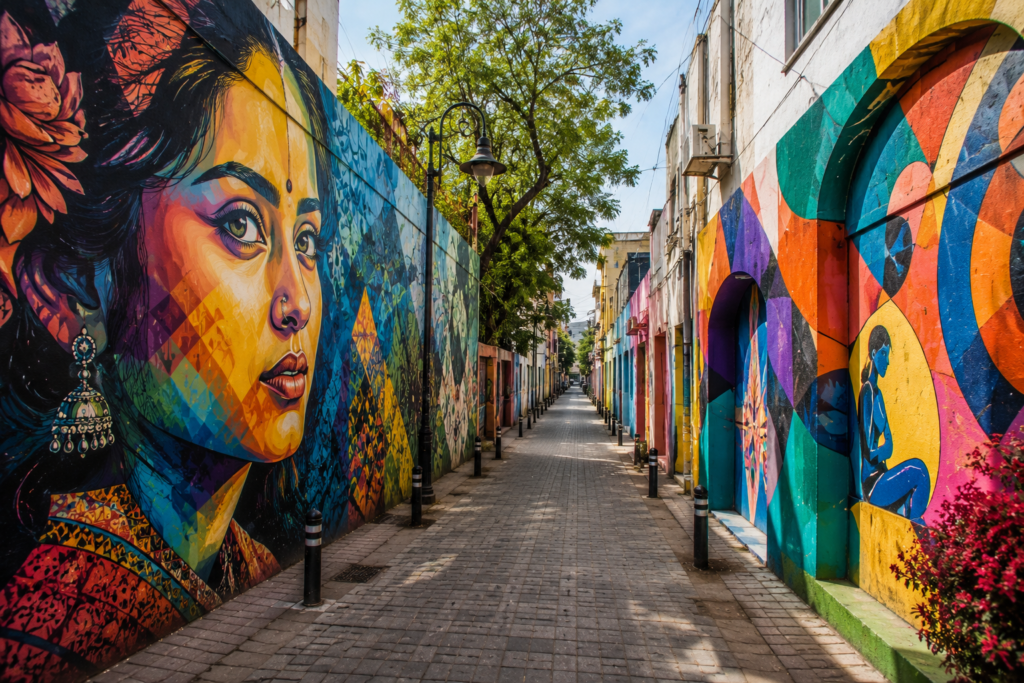
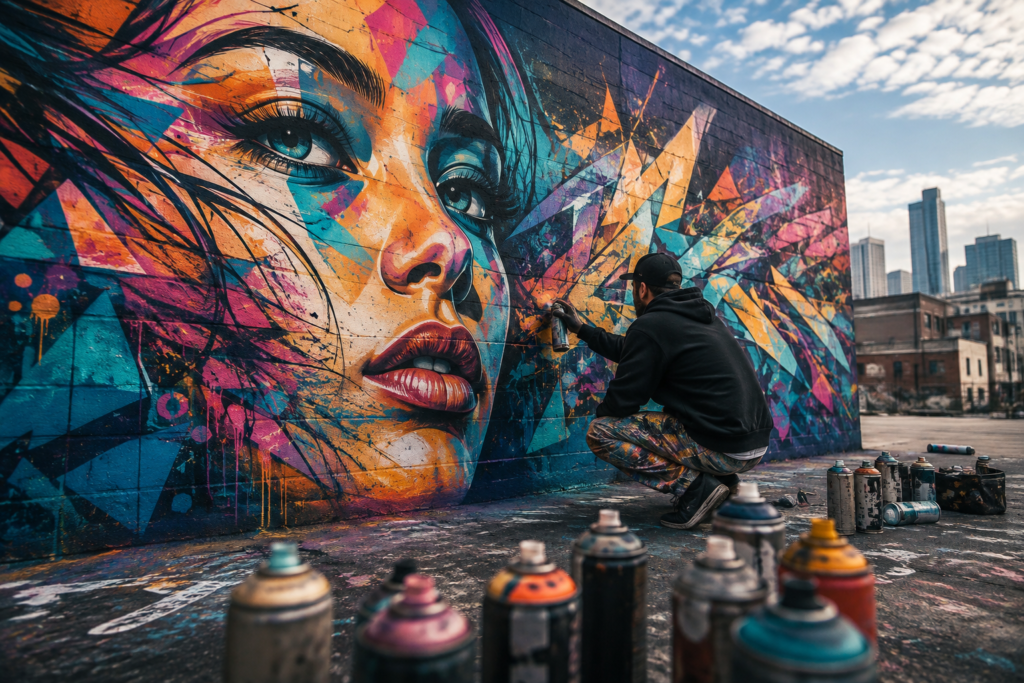
Street art is growing fast in India. It adds color and life to public places. Artists paint walls, buildings, and streets. They use art to share ideas and tell stories.
Today, you can see street art in many Indian cities. Large murals and creative paintings attract people from around the world. Street art has become an important part of modern Indian culture.
What is Street Art?
Street art is art made in public places. Artists create it on walls, roads, bridges, and buildings. Anyone can see it for free.
Street art comes in many forms. It includes murals, graffiti, stencil art, and wall paintings. Artists use street art to express their thoughts and feelings.
Unlike gallery art, street art reaches everyone. People see it in their daily lives.
The Growth of Street Art in India
Street art was not very popular in India many years ago. Most public walls had posters and advertisements.
Things started to change in the early 2000s. Artists began using public walls as their canvas. They wanted to make cities look better and share creative ideas.
Today, many cities support street art projects. Local groups and organizations also help artists create public artworks.
Famous Places for Street Art in India
Delhi
Delhi is one of the best places for street art. The Lodhi Art District is famous for its beautiful murals.
Artists from India and other countries have painted many walls here. The artworks show culture, nature, and social messages.
Mumbai
Mumbai has a strong street art scene. Many colorful murals decorate the streets of Bandra and other areas.
Artists often paint topics related to city life, people, and social change.
Bengaluru
Bengaluru supports many creative projects. The city has several large murals and wall paintings.
Many artworks focus on nature, technology, and local culture.
Chennai
Street art is becoming popular in Chennai. Artists paint walls with images that show Tamil culture and traditions.
Kolkata
Kolkata has a rich artistic history. Street artists in the city create murals that celebrate literature, music, and heritage.
Types of Street Art in India
Murals
Murals are large paintings on walls. They are the most common type of street art in India.
Artists use murals to tell stories and share messages.
Graffiti
Graffiti uses words, letters, and symbols. It allows artists to express ideas in a creative way.
Stencil Art
Stencil art uses cut-out designs. Artists spray paint over the stencil to create clear images quickly.
Mosaic Art
Mosaic art uses small pieces of glass, stone, or tiles. Artists arrange these pieces to create beautiful designs.
Why Street Art is Important
It Makes Cities Beautiful
Street art turns plain walls into colorful spaces. It makes streets look more attractive.
It Celebrates Culture
Many artists paint local traditions, festivals, and history. This helps people learn about Indian culture.
It Spreads Awareness
Street art often talks about important issues. Artists create work about education, health, women’s rights, and the environment.
These artworks encourage people to think and discuss these topics.
It Supports Tourism
Tourists love to visit places with street art. They take photos and share them online.
This helps local businesses and attracts more visitors.
It Brings Communities Together
Many street art projects involve local people. Residents work with artists to improve their neighborhoods.
This creates a sense of pride and unity.
Famous Street Artists in India
India has many talented street artists. Some popular names include:
- Daku
- Yantr
- Guesswho
- Tyler
- Hanif Kureshi
These artists have helped street art grow in India. Their work inspires many young artists.
Street Art Festivals in India
Street art festivals help artists showcase their talent. They also make people more interested in public art.
Some popular festivals include:
- St+art India Festival
- Delhi Street Art Festival
- Mumbai Urban Art Festival
These events bring artists together from different places. They create large murals and transform public spaces.
Challenges of Street Art
Street artists face several challenges.
Permission Issues
Artists often need approval before painting public walls. Without permission, authorities may remove the artwork.
Lack of Funding
Large projects need paint, tools, and equipment. Many artists struggle to find financial support.
Weather Damage
Rain, heat, and pollution can damage murals. Artists must repair their work from time to time.
Public Opinion
Some people think street art is vandalism. Artists continue to educate people about its value.
The Future of Street Art in India
The future looks bright for street art in India. More cities now support public art projects.
Social media also helps artists reach larger audiences. People can easily discover and share artwork online.
As interest grows, more walls will become colorful spaces for creativity and expression.
Conclusion
Street art in India is more than just painting walls. It is a way to share ideas, celebrate culture, and improve public spaces.
Artists use street art to connect with people and tell important stories. From Delhi to Mumbai and Bengaluru to Kolkata, street art continues to grow across the country.
It makes cities more beautiful, supports tourism, and brings communities together. With growing support, street art will continue to play an important role in India’s future.
if you want more information about street art india