Complete Guide to Street Art for Beginners
Introduction
Street art is one of the most exciting forms of public art. It brings life to walls, buildings, and empty spaces. Today, many people want to learn street art because it allows them to express their ideas in a creative way.
This Complete Guide to Street Art for Beginners will help you understand the basics of street art. You will learn about its history, different styles, and why it has become popular around the world. Whether you want to create murals, graffiti, or stencil art, this guide is the perfect place to start.
If you are new to this art form, do not worry. Every great artist started as a beginner. By following this Complete Guide to Street Art for Beginners, you can build your skills step by step.
What Is Street Art?
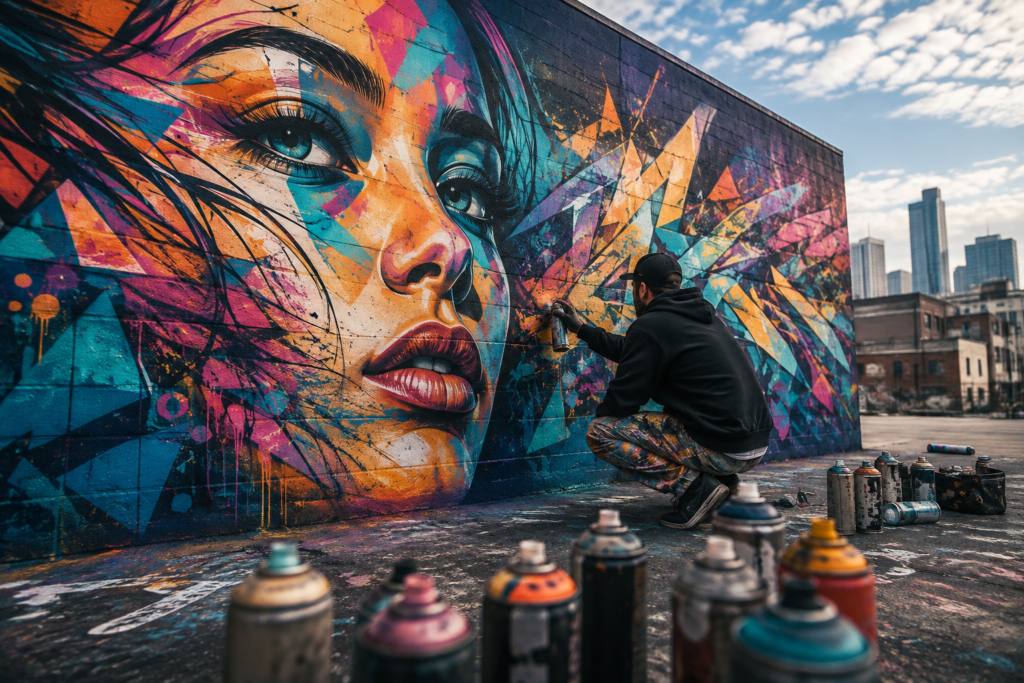
Artists paint or draw on walls, buildings, bridges, and other outdoor spaces. Unlike traditional art, street art is made for everyone to see.
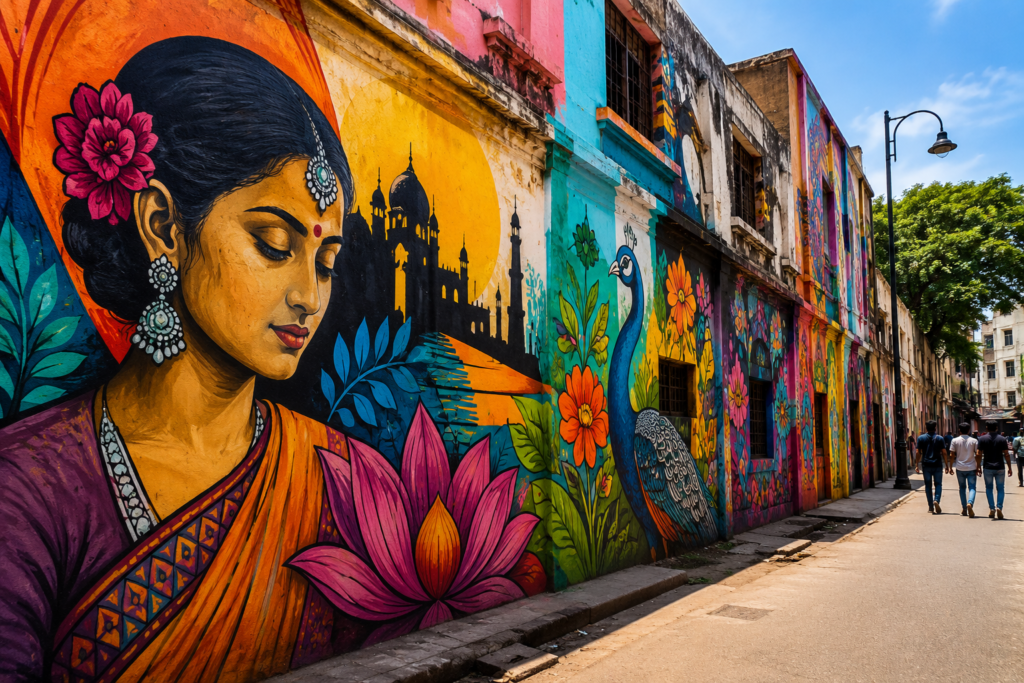
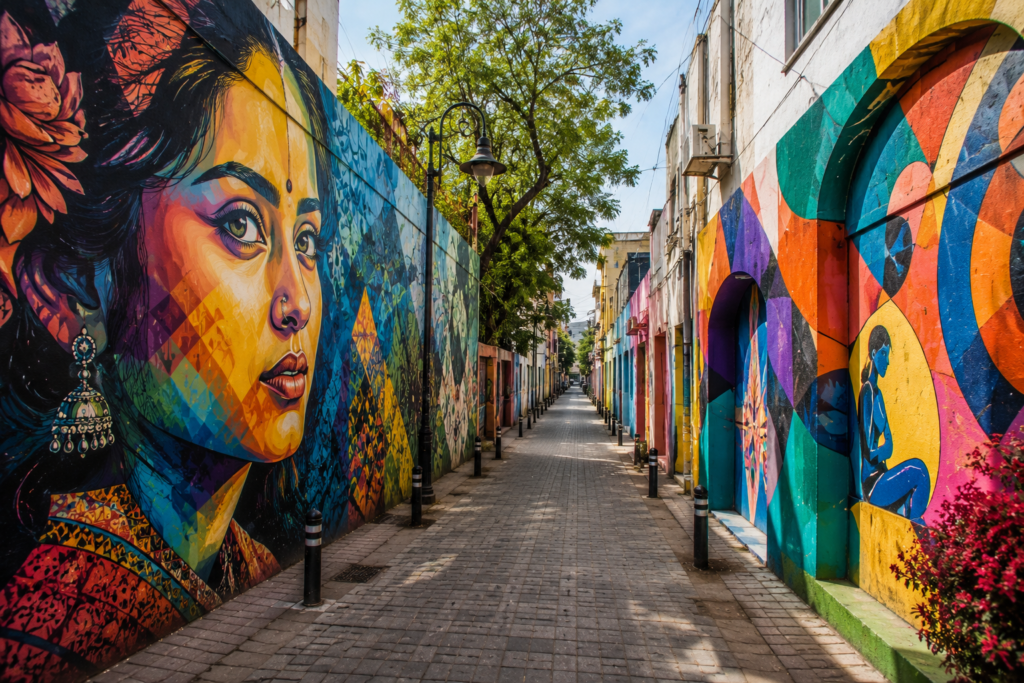
Street art includes many creative styles. Some artists create large murals. Others use spray paint, stencils, posters, or stickers. Every piece tells a story or shares a message.
They are related but different. Graffiti often focuses on names or lettering. Street art usually includes pictures, characters, and social messages.
This Complete Guide to Street Art for Beginners explains these differences so you can understand the art form better.
A Short History of Street Art
Street art has existed for many years. Ancient people painted on cave walls to share stories.
Graffiti first grew in cities like New York. Young artists painted their names on subway trains and walls. Later, artists started creating larger and more colorful artworks.
Over time, street art became more creative. Artists used different techniques to express ideas about society, culture, and the environment.
Today, street art is respected around the world. Many cities invite artists to paint beautiful murals. Street art festivals also attract thousands of visitors every year.
Why Street Art Is Popular
Street art attracts people because it is creative and easy to see. You do not need to visit a museum. You can enjoy amazing artwork while walking through a city.
Here are some reasons why street art is popular:
- It makes public spaces more beautiful.
- It allows artists to share ideas.
- It tells stories about local culture.
- It inspires young artists.
- It attracts tourists.
- It creates colorful neighborhoods.
Many businesses also hire street artists to paint walls. Restaurants, cafés, schools, and offices use murals to make their spaces more attractive.
This Complete Guide to Street Art for Beginners encourages new artists to see street art as both a creative hobby and a possible career.
Different Types of Street Art
There are many styles of street art. Every style has its own purpose and technique.
1. Murals
Murals are large paintings created on walls or buildings. They often tell a story or celebrate local culture.
2. Graffiti
Graffiti mainly focuses on letters, names, and colorful designs. It is one of the oldest forms of modern street art.
3. Stencil Art
Stencil art uses a cut-out design to create the same image many times. It is fast and produces clean shapes.
4. Wheatpaste Art
Artists print artwork on paper and attach it to walls using paste. This method is popular for posters and creative messages.
5. Sticker Art
Sticker artists design creative stickers and place them in public spaces. It is simple and affordable for beginners.
6. Mosaic Art
Mosaic street art uses small pieces of tile, glass, or stone to create images on walls.
Why Beginners Should Learn Street Art
Street art helps you improve your creativity. It also teaches patience and problem-solving.
You can start with paper and pencils before moving to walls.
Street art also helps you develop your own style. Every project teaches something new.
Following this Complete Guide to Street Art for Beginners will help you build confidence and improve your skills over time.
Skills Every Beginner Should Develop
Before painting your first mural, practice these basic skills:
- Learn simple drawing.
- Practice sketching every day.
- Study colors and shading.
- Observe different street art styles.
- Improve hand control.
- Learn basic lettering.
- Stay patient and keep practicing.
These skills create a strong foundation for every artist.
This Complete Guide to Street Art for Beginners focuses on learning one step at a time instead of rushing the proce
Essential Tools for Street Art
Every artist needs the right tools. You do not have to buy everything on the first day. Start with basic supplies and upgrade as your skills improve.
Here are the basic tools you need:
1. Sketchbook
A sketchbook is the best place to practice your ideas. Draw every day. Try different designs and characters before painting on a wall.
2. Pencils and Markers
Use pencils for rough sketches. Markers help you create bold outlines and improve your lettering skills.
3. Spray Paint
Spray paint is the most popular tool for street artists. It covers large areas quickly and creates smooth color blends.
Choose quality spray paint with low pressure if you are a beginner. It gives you better control.
4. Spray Caps
Different spray caps create different line widths.
Common spray caps include:
- Skinny Caps – Thin lines and fine details.
- Medium Caps – Everyday painting.
- Fat Caps – Large fills and backgrounds.
Learning how each cap works is an important part of this Complete Guide to Street Art for Beginners.
5. Paint Markers
Paint markers are useful for adding small details, signatures, and highlights.
6. Safety Equipment
Always protect yourself while painting.
Wear:
- Gloves
- Safety glasses
- Respirator mask
- Old clothes
Safety should always come before creativity.
How to Choose the Right Colors
Color plays a big role in street art. Bright colors attract attention. Dark colors create depth. Light colors add highlights.
Beginners should start with a small color palette.
A good starter set includes:
- Black
- White
- Red
- Blue
- Yellow
- Green
After learning color combinations, you can experiment with more shades.
This Complete Guide to Street Art for Beginners encourages practicing color mixing on paper before using spray paint.
Learn Basic Drawing First
Many beginners want to paint walls immediately. However, drawing is the foundation of good street art.
Practice these exercises every day:
- Draw simple shapes.
- Practice straight lines.
- Sketch objects around you.
- Learn basic perspective.
- Study shadows.
- Draw letters in different styles.
Even 20 minutes of daily practice will improve your skills.
Practice Lettering
Lettering is one of the most important skills in street art.
Start with simple block letters.
Then learn:
- Bubble letters
- Wildstyle letters
- 3D letters
- Shadow effects
- Outline techniques
Practice each alphabet several times.
Over time, you will develop your own lettering style.
Learn From Other Artists
Every artist learns by observing others.
Visit street art festivals, legal walls, and public murals.
Notice:
- Color choices
- Composition
- Line quality
- Character design
- Background details
Do not copy another artist’s work. Instead, learn techniques and create your own style.
Following this advice in the Complete Guide to Street Art for Beginners will help you grow faster as an artist.
Safety Tips for Beginners
Street art should always be created safely and responsibly.
Keep these tips in mind:
- Paint in well-ventilated areas.
- Wear a respirator mask when using spray paint.
- Keep paint away from fire.
- Store cans in a cool place.
- Protect your eyes and hands.
- Clean your workspace after painting.
Good habits make you a better artist.
Practice Before Painting Large Walls
Do not start with a huge mural.
Instead, follow these steps:
- Draw your idea on paper.
- Practice on cardboard.
- Paint on wooden boards.
- Work on small legal walls.
- Move to larger murals as your confidence grows.
Taking small steps helps you improve faster.
Build Your Own Style
Every successful street artist has a unique style.
Your style develops through practice.
Try different subjects such as:
- Nature
- Animals
- Portraits
- Abstract designs
- Typography
- Cartoon characters
- Cultural themes
Keep experimenting until you find what feels natural.
This Complete Guide to Street Art for Beginners encourages creativity instead of copying trends.
Common Beginner Mistakes
Many beginners make the same mistakes.
Avoid these common problems:
- Buying cheap spray paint.
- Skipping sketch practice.
- Using too many colors.
- Painting too fast.
- Ignoring safety equipment.
- Copying other artists.
- Giving up after mistakes.
Remember, every mistake teaches you something new.
Understand the Legal Side of Street Art
Before you paint, learn about the local laws in your area. Street art is creative, but it should also be respectful and legal.
Many cities have legal walls where artists can paint freely. Some property owners also allow murals on their buildings. Always ask for permission before painting on private property.
Following the law helps you build a good reputation as an artist. This Complete Guide to Street Art for Beginners encourages every beginner to create art responsibly.
Where Can Beginners Practice?
Finding the right place to practice is important.
Here are some good options:
- Your sketchbook
- Large cardboard sheets
- Wooden panels
- Canvas
- Legal graffiti walls
- Community art projects
- Workshops and art festivals
These places let you improve your skills without causing damage to public or private property.
How to Improve Your Skills Faster
Every artist improves through regular practice.
Follow these simple tips:
- Draw every day.
- Study different street art styles.
- Learn basic color theory.
- Practice lettering often.
- Watch experienced artists.
- Accept feedback.
- Keep a portfolio of your work.
- Challenge yourself with new ideas.
Consistency is more important than perfection. This Complete Guide to Street Art for Beginners reminds you that small daily improvements lead to great results.
Share Your Artwork
After creating your artwork, share it with others.
You can:
- Create an Instagram page.
- Start a Facebook page.
- Upload videos on YouTube.
- Build your own website.
- Join local art communities.
- Participate in mural festivals.
Sharing your work helps you receive feedback and connect with other artists. It can also open doors to paid projects and collaborations.
Can You Make Money From Street Art?
Yes. Many artists turn their passion into a successful career.
You can earn money by offering:
- Custom wall murals
- Café and restaurant artwork
- Office wall paintings
- Home wall designs
- Canvas paintings
- Art prints
- Workshops
- Brand collaborations
- Merchandise
- Digital art commissions
With dedication and a strong portfolio, street art can become both a creative passion and a profession. This Complete Guide to Street Art for Beginners encourages you to keep learning and improving your skills.
Frequently Asked Questions (FAQs)
Is street art difficult to learn?
No. Anyone can learn street art with regular practice. Start with basic drawing and slowly improve your techniques.
What is the best age to start street art?
There is no perfect age. Children, teenagers, and adults can all learn street art.
Do I need expensive tools?
No. Begin with a sketchbook, pencils, markers, and a few spray paint cans. Buy more tools as your skills grow.
How long does it take to become good at street art?
The time depends on how often you practice. Daily practice will help you improve much faster.
Is street art legal?
Street art is legal only when you have permission or paint in approved locations. Always follow local rules and respect public and private property.
Final Tips for Beginners
- Practice every day.
- Be patient with yourself.
- Learn from mistakes.
- Develop your own style.
- Respect other artists.
- Use quality materials.
- Stay safe while painting.
- Keep learning new techniques.
- Never stop creating.
Success comes from consistent effort, not overnight results.
Conclusion
Street art is a powerful way to express ideas, emotions, and creativity. Every artist starts with simple sketches and basic techniques. With regular practice, you can build confidence and develop your own unique style.
Learn more about street art india click on
what is the meaning of street art
What is the purpose of street art
Best street artist in the world
History of Street Art: From Ancient Walls to Modern Cities