History of Street Art: From Ancient Walls to Modern Cities
Introduction
Street art is one of the most popular art forms today. It adds color to cities. It also shares ideas, stories, and emotions with people. You can see street art on walls, bridges, buildings, and public spaces.
The History of Street Art is long and interesting. It started thousands of years ago. Over time, it changed into the modern art we see today. Today, street art is found in almost every country. It inspires people and makes cities more beautiful.
In this article, you will learn how street art started and how it became popular around the world.
What Is Street Art?
Street art is artwork made in public places. Artists paint or draw on walls, streets, buildings, and other outdoor spaces.
Street art comes in many forms, such as:
People can enjoy street art without visiting a museum. They only need to walk through the streets.
The History of Street Art shows that people have used public walls to express ideas for thousands of years.
The Beginning of Street Art
The History of Street Art began in ancient times. Early humans painted on cave walls. These paintings showed animals, people, and hunting scenes.
Some cave paintings are more than 30,000 years old. They are found in countries like France, Spain, Indonesia, and India.
These paintings helped people tell stories before written language became common. They also showed daily life and traditions.
Although these paintings were not called street art, they shared the same idea. Artists used public spaces to communicate with others.
Street Art in Ancient Civilizations
Many ancient civilizations decorated public walls.
The Egyptians painted colorful pictures inside temples and tombs. These paintings showed their gods, kings, and daily life.
The Romans also used walls to write messages. They wrote jokes, advertisements, and political opinions. Many of these writings were found in the ancient city of Pompeii.
India also has a long history of wall painting. Temples, forts, and old buildings display beautiful artwork. These paintings tell stories about religion, history, and local culture.
The History of Street Art proves that people have always used walls to share ideas.
Street Art During the Middle Ages
During the Middle Ages, most public art focused on religion.
Artists painted churches and castles. They created pictures that explained religious stories. Many travelers also carved their names or symbols on stone walls.
These artworks looked different from today’s murals. However, they still allowed people to express themselves in public places.
The History of Street Art continued to grow as artists found new ways to create public art.
The Birth of Modern Graffiti
Modern street art started in the 1960s.
Young people began writing their names, also called “tags,” on walls. This movement first became popular in Philadelphia, USA.
One famous graffiti writer was Cornbread. He wrote his name in many places across the city. Soon, other young artists followed him.
Later, graffiti spread to New York City. Artists painted subway trains, buildings, and bridges. They used bright colors and bold letters.
The History of Street Art changed during this time. Graffiti became a new way for young people to express themselves.
Street Art Becomes Popular
In the 1970s, street art became part of hip-hop culture.
Music, dance, fashion, and graffiti grew together. Artists tried new styles and better designs. Every city developed its own graffiti culture.
Some people called graffiti vandalism. Others believed it was real art.
This debate still continues today.
The History of Street Art shows that art can challenge old ideas and inspire change.
Famous Early Street Artists
Many artists helped street art become famous.
Keith Haring created simple drawings with bold black lines. His artwork shared messages about love, equality, and hope.
Jean-Michel Basquiat also started as a street artist. He painted powerful words and symbols on New York streets before becoming a world-famous artist.
Their work helped people respect street art as a true art form.
The History of Street Art would not be the same without their creative ideas.
Why People Love Street Art
Street art is easy to see. Everyone can enjoy it.
It brings life to empty walls. It tells stories and shares ideas. It also makes cities more colorful.
Artists create street art to:
- Share their thoughts
- Support social causes
- Celebrate local culture
- Beautify public spaces
- Inspire people
The History of Street Art reminds us that art belongs to everyone. It can appear anywhere and speak to anyone
Street Art Spreads Around the World
During the 1980s and 1990s, street art became popular in many countries. Artists in Europe, South America, Asia, and Australia started creating beautiful public art.
Every country added its own style. Some artists painted large murals. Others used stencils, posters, or stickers. Every city had something unique to offer.
The History of Street Art grew as more artists joined this movement. Today, street art is found in almost every major city.
The Rise of Murals
Murals are one of the most popular types of street art. A mural is a large painting on a wall or building.
Artists spend many hours or even days creating murals. Some murals tell stories about history. Others celebrate local culture, nature, or famous people.
Many cities now invite artists to paint murals. These artworks make streets more colorful. They also attract visitors from around the world.
The History of Street Art changed when murals became a part of city beautification projects.
Banksy Changed Street Art
One of the most famous street artists is Banksy.
Banksy is known for his stencil art. His real name is still a mystery. His artwork shares strong messages about peace, war, politics, and society.
Banksy uses simple designs, but his ideas are powerful. Many of his artworks have become famous around the world.
Today, people travel to see his work. Some of his murals are protected because they are considered valuable art.
The History of Street Art became more popular because of Banksy’s influence.
Different Types of Street Art
Street artists use many different styles. Every artist has a unique way of creating art.
Some common types of street art are:
- Graffiti
- Murals
- Stencil art
- Sticker art
- Paste-up posters
- Mosaic art
- 3D street paintings
Artists choose the style that best matches their ideas.
The History of Street Art shows that creativity has no limits.
Street Art Festivals
Many cities now organize street art festivals. These events bring artists from different countries together.
During these festivals, artists paint live in front of visitors. People can watch the artwork come to life.
Street art festivals also help young artists learn new skills. They create a space where artists can share ideas and inspire each other.
Many festivals turn old walls into beautiful works of art.
The History of Street Art continues to grow because these festivals support artists and local communities.
Street Art Brings Social Change
Street art is more than colorful paintings. It also shares important messages.
Many artists create artwork about:
- Peace
- Equality
- Education
- Nature
- Climate change
- Human rights
- Women’s rights
These messages help people think about important issues.
A single mural can inspire thousands of people every day.
The History of Street Art proves that art can create awareness and bring positive change.
Street Art in Museums
Many people once believed that street art belonged only on public walls.
Today, museums and art galleries display street art. Famous street artists now exhibit their work around the world.
Art collectors also buy paintings and prints created by street artists.
This change has helped street art earn respect as a real art form.
The History of Street Art shows how public art became part of the global art world.
Street Art and Tourism
Street art has become a popular tourist attraction.
Many people visit cities just to see famous murals.
Cities like Berlin, London, Melbourne, and New York are well known for their street art. Visitors enjoy walking through colorful neighborhoods and taking photos of beautiful murals.
Street art tours have also become popular. Local guides explain the stories behind the artwork.
Because of this, street art helps local businesses, hotels, restaurants, and shops.
The History of Street Art has created new opportunities for both artists and cities.
Challenges for Street Artists
Street artists still face many challenges.
Some cities have strict rules about painting on public walls. Artists must often get permission before creating artwork.
Outdoor art also faces damage from rain, sunlight, dust, and pollution.
Even with these problems, artists continue to paint. They want to share their ideas and make public spaces more beautiful.
The History of Street Art shows that true creativity never stops.
What We Can Learn from Street Art
Street art teaches us that art belongs to everyone.
It can change empty walls into beautiful places. It can tell stories without using many words. It can bring people together and make cities more welcoming.
The History of Street Art reminds us that creativity can inspire people of all ages.
History of Street Art in India
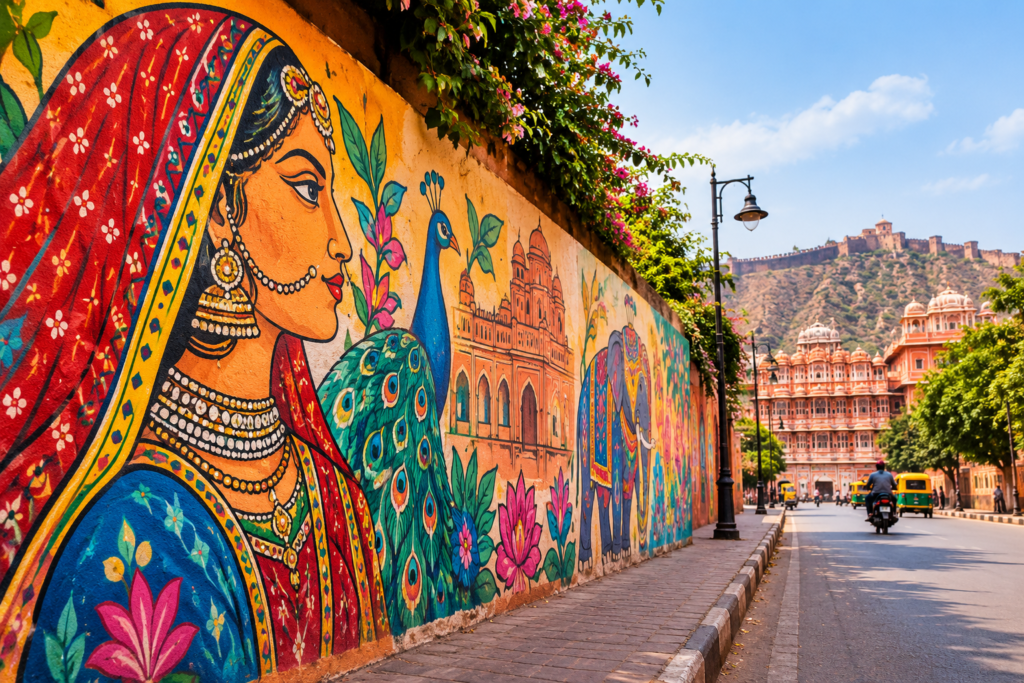
India has a long history of public art. People painted on walls many years ago. They decorated temples, forts, and village homes with beautiful paintings. These artworks showed stories, culture, and traditions.
Modern street art started growing in India in the early 2000s. Since then, many cities have supported public art projects. Artists now paint large murals on schools, buildings, bridges, and public walls.
The History of Street Art in India is growing every year. More people now see street art as a creative and meaningful art form.
Street Art in Indian Cities
Today, many Indian cities are famous for street art.
Some popular cities include:
- Delhi
- Mumbai
- Jaipur
- Bengaluru
- Hyderabad
- Pune
- Chennai
- Kolkata
Artists create murals that show local culture, history, wildlife, and festivals. These colorful walls make cities look brighter and more attractive.
Many visitors travel to these places to see street art and take photos.
The History of Street Art continues to grow as more Indian cities support artists.
Why Street Art Is Important
Street art does much more than decorate walls. It helps people and communities in many ways.
Street art can:
- Make cities more beautiful.
- Share important messages.
- Protect local culture.
- Support local artists.
- Attract tourists.
- Inspire young people.
- Turn empty walls into colorful spaces.
Many schools, businesses, and local groups now use murals to improve public places.
The History of Street Art shows that art can bring people together.
The Future of Street Art
The future of street art looks bright.
Many governments now support mural projects. More cities are creating legal spaces where artists can paint freely.
Technology is also changing street art. Artists use computers to plan their designs before painting. Some murals even include augmented reality (AR). People can scan the artwork with a mobile phone to see animations and extra information.
Social media has also helped street artists. They can now share their work with people around the world in just a few minutes.
The History of Street Art will continue to grow as artists discover new ideas and new tools.
How You Can Enjoy Street Art
You do not need to be an artist to enjoy street art.
Here are a few simple tips:
- Visit local mural streets.
- Join a street art tour.
- Learn the story behind each mural.
- Respect public artwork.
- Support local artists.
- Share photos with others.
- Visit street art festivals.
Every mural has a story. When you learn that story, you enjoy the artwork even more.
The History of Street Art teaches us that every wall can become a work of art.
Conclusion
Street art has come a long way. It started with ancient cave paintings and simple wall drawings. Today, it has become a respected art form around the world.
Artists use street art to share ideas, tell stories, and inspire people.. They also help protect culture and bring communities together.
The History of Street Art shows how creativity can change public spaces. It also proves that art is for everyone, not just for museums and galleries.
As more cities support public art, street art will continue to grow. Future artists will create new styles and new ideas. They will inspire people for many years to come.
The History of Street Art is still being written, one wall at a time.
Frequently Asked Questions (FAQs)
1. What is the history of street art?
The History of Street Art began with ancient cave paintings. Later, people painted on temples, walls, and public buildings. Modern street art became popular during the 1960s and 1970s.
2. Who started modern street art?
Modern street art grew through graffiti artists in Philadelphia and New York City. Their work inspired artists across the world.
3. Why is street art important?
Street art makes cities more beautiful. It shares ideas, supports artists, attracts tourists, and brings communities together.
4. Is street art legal?
It depends on the local laws. Many cities now provide legal walls where artists can create murals with permission.
5. Where can I see street art in India?
You can see amazing street art in Delhi, Mumbai, Jaipur, Bengaluru, Hyderabad, Pune, Chennai, and Kolkata.
to know more information visit.
15 Best Spray Paints for Street Art and Graffiti in India
Complete Guide to Street Art Festival (2026